Used Toyota Levin Inspection: History, Hybrid and Acceptance
A used Levin inspection should connect vehicle identity, past records and current condition. Low mileage, a hybrid badge or a freshly cleaned cabin does not establish a sound purchase. Agree what can be checked before payment and how unresolved findings affect acceptance.
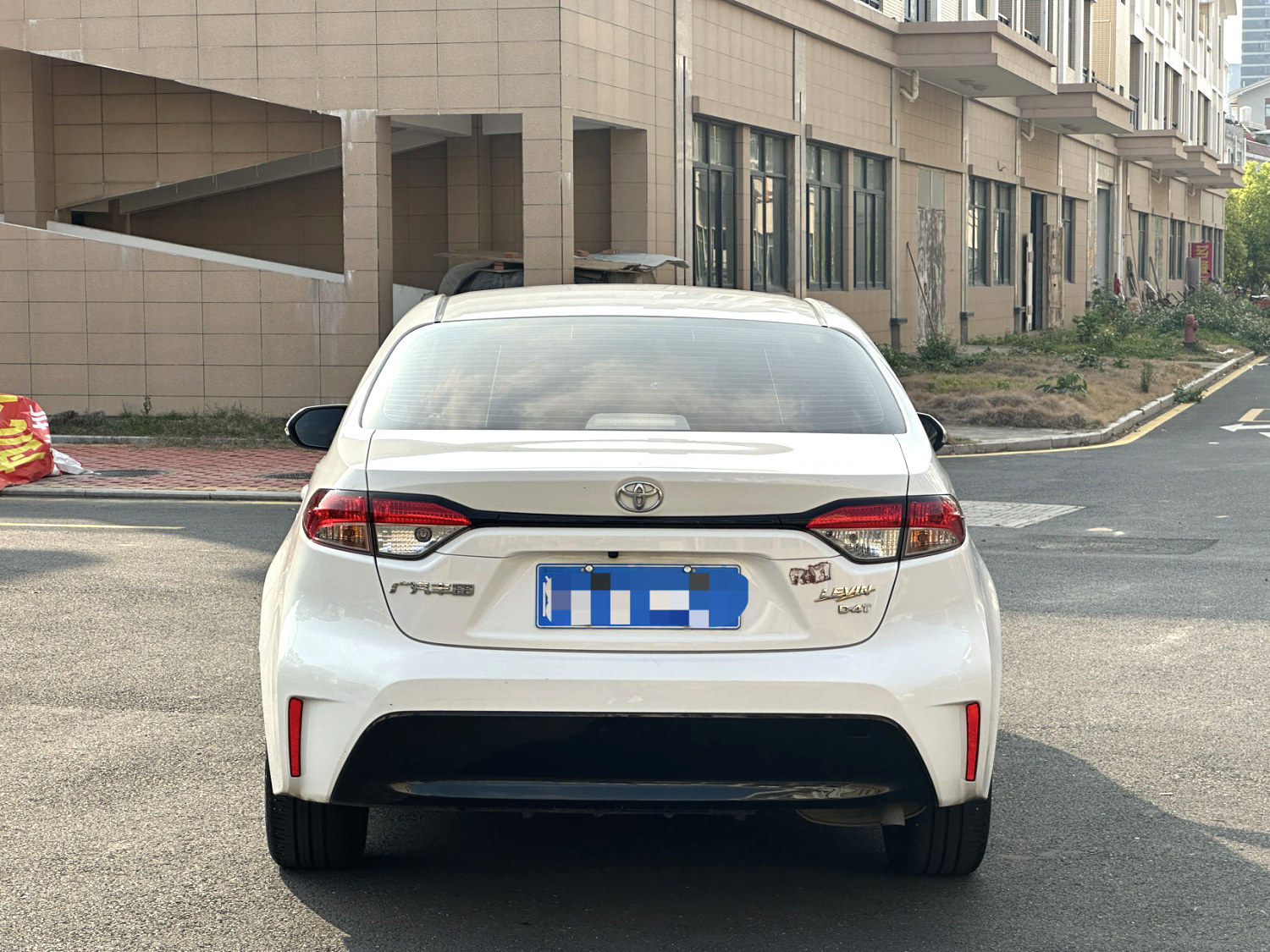
Reconcile identification and dated history
Match VIN and factory designation to the records, production date and registration history. Compare mileage entries across dated documents and available service information. Ask about previous commercial use without assuming every inexpensive Levin was a taxi. A consistent dashboard reading alone does not establish the full history. Separate seller statements from verified evidence, record gaps and request explanation before valuing the car as unusually low-mileage stock.
Inspect body, underbody and repairs together
Have an independent qualified inspector assess paint, structure, underbody and relevant repair evidence. Ask which areas could not be accessed. Cosmetic additions or polished panels do not prove an absence of damage; neither do they establish damage by themselves. Record observations and their limitations rather than interpreting every mark as a major accident. A new report is appropriate when an intervening transport or repair event makes earlier findings incomplete.
Related checks: Used Toyota Levin: Checking Previous Taxi Use.
Use drivetrain checks that match the actual Levin
Identify petrol, conventional hybrid or the older E+ plug-in model before defining the inspection. For a hybrid, request relevant diagnostic information, battery assessment method and cooling checks through a qualified workshop. State of charge is not battery health. Assess brakes, tyres and normal drive behaviour regardless of low mileage, and document known work. Do not attempt to open or repair high-voltage components to verify a seller claim.
Turn findings into an acceptance record
Test the installed screen, phone connection, climate, keys and required equipment on the selected VIN. List confirmed faults, unknowns, agreed remedial work and supplied documents. Compare the final price with that condition and equivalent delivery scope, not the best example of the model. A seller promise of future repairs needs clear agreed terms; an unresolved essential feature should not be marked passed. Retain the report and handover evidence for the actual vehicle you accept.
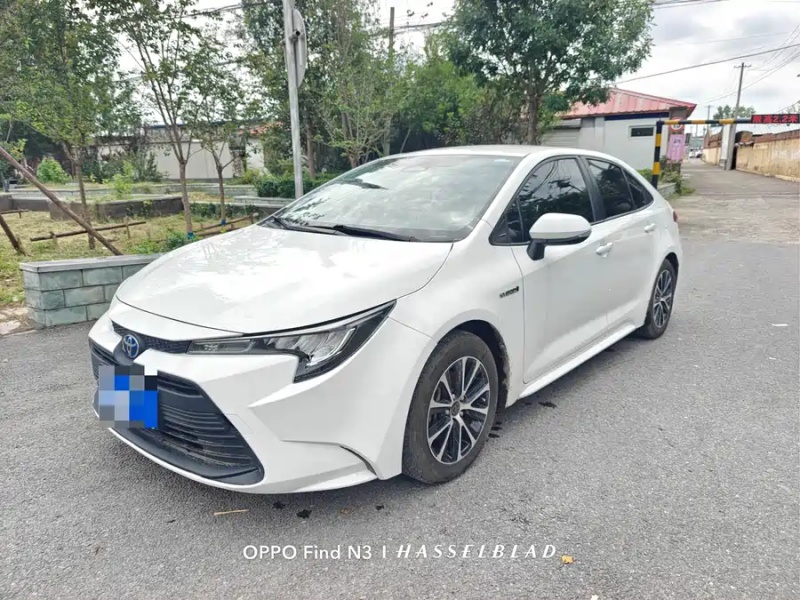
What to request before ordering
- Confirm: Reconcile identification and dated history
- Confirm: Inspect body, underbody and repairs together
- Confirm: Use drivetrain checks that match the actual Levin
- Confirm: Turn findings into an acceptance record
Questions buyers ask
Does a short smooth drive confirm hybrid battery health?
No. Use a suitable diagnostic assessment with a stated method and limitations, alongside the road behaviour.
Should every uncertainty be treated as a confirmed fault?
No. Record it as unknown, seek evidence and decide whether the remaining uncertainty is acceptable for the purchase.