Everything overseas dealers, importers, and individual buyers need to know to successfully source and ship a Toyota Levin from China in 2026.
Table of Contents
- Introduction: The Smart Buyer's Route to a Toyota Levin
- Why Import Toyota Levin from China in 2026
- Step-by-Step Import Process
- Required Documents and Customs Clearance
- Shipping Options and Costs
- Pre-Export Inspection and Quality Assurance
- Common Pitfalls and How to Avoid Them
- Timeline and Realistic Expectations
- Frequently Asked Questions
- Final Steps and How Panda Used Cars Can Help
Introduction: The Smart Buyer's Route to a Toyota Levin
Importing a vehicle from China used to be considered a niche strategy — something reserved for seasoned traders with deep industry connections and a high tolerance for logistical complexity. In 2026, that picture has changed substantially. China's used car export infrastructure has matured into one of the most organized and reliable in the world, and for buyers targeting the Toyota Levin, there has never been a better moment to act.
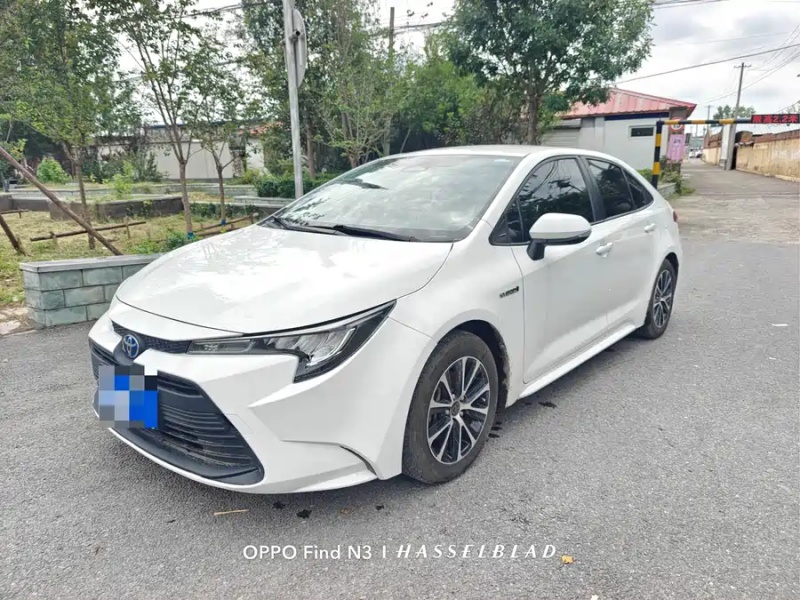
The GAC Toyota Levin — produced exclusively for the Chinese domestic market through the GAC Toyota joint venture — represents a genuine opportunity for overseas buyers. It offers Toyota's latest hybrid engineering, a feature set that exceeds equivalent global models in many respects, and an acquisition price that creates real value regardless of whether you're a commercial dealer building margin or an individual buyer seeking a quality daily driver.
But importing a car internationally involves real steps, real documents, real costs, and real risks if you don't know what you're doing. This guide exists to remove the uncertainty. Whether you're new to the process or looking to refine an existing import operation, what follows is a practical, experience-based walkthrough of exactly how to import a Toyota Levin from China in 2026 — from the initial search through to the moment the keys are in your hand.
Ready to browse what's available right now? Check available Levin units on Panda Used Cars before diving in — it helps to know what you're working toward.
Why Import Toyota Levin from China in 2026
Before walking through the process, it's worth establishing clearly why importing a Toyota Levin from China makes sense right now, in this specific market environment.
Price Advantage is Real and Measurable
The Chinese domestic new car market is intensely competitive, which keeps pricing under constant pressure. A fully-equipped 2026 GAC Toyota Levin Hybrid retails in China from approximately ¥135,800 (around USD $18,800). Once a car enters the used market — often after lease returns or fleet refreshes — that price drops further. After accounting for shipping, insurance, and import duties in most target markets, buyers are still landing a car that would cost 25–40% more to source locally in markets like the UAE, Southeast Asia, or East Africa.
Low Mileage Availability
China's rapid vehicle turnover culture — driven by leasing schemes, aggressive new model cycles, and urban restrictions on older cars — means the used market is consistently supplied with low mileage Levin units from China. It is not unusual to find 2025 or 2026 Levin Hybrids with fewer than 20,000 kilometres on the clock, complete with verifiable service records from Toyota-authorized workshops.
Toyota's Global Reliability Standing
In virtually every export target market, the Toyota nameplate carries enormous brand equity. A Levin's Toyota badge actively assists in the resale process. Buyers in the Philippines, Nigeria, Saudi Arabia, and Poland all share a common understanding of what the Toyota badge represents — and that understanding supports pricing power.
Shared Platform Parts Availability
The Levin is built on Toyota's TNGA-C platform, shared with the global Corolla and Corolla Cross. This means mechanical components — filters, belts, sensors, brake pads — are globally available through Toyota's established parts network. This is not a China-only mystery car with sourcing headaches attached; it's a mainstream platform with mainstream parts availability.
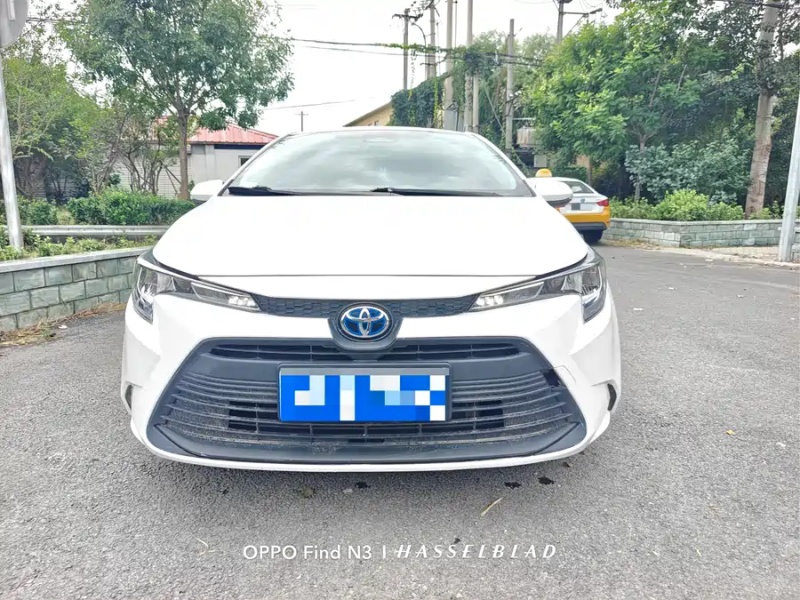
Explore the full range of available models on our Toyota Levin models page to understand which specification best suits your target market.
Step-by-Step Import Process
Here is the complete, sequential process for importing a Toyota Levin from China. Follow these steps in order and the process is manageable. Skip steps or rush them and problems compound quickly.
Step 1: Define Your Specification Requirements
Before contacting any supplier, know exactly what you need. Key decisions include:
- Trim level — Entry Sport, mid-range Luxury, or top-spec Luxury+ Hybrid
- Drivetrain — FWD or E-Four AWD
- Colour preference — Affects availability and sourcing timeline
- Mileage maximum — Most serious buyers set a ceiling of 30,000km
- Model year — 2025 or 2026 for newest tech; 2023–2024 for tighter budgets
Having these parameters defined before you engage a supplier saves significant time and prevents mismatched expectations on both sides.
Step 2: Select a Reputable Export Partner
This is the most consequential decision in the entire process. Your export partner controls vehicle sourcing, pre-export inspection quality, documentation accuracy, and logistics coordination.
Criteria for evaluating an export partner include verifiable track record with Toyota vehicles, in-house inspection capability, clear payment terms, and responsive communication.
Panda Used Cars maintains a dedicated Toyota Levin inventory and has established export relationships covering the Middle East, Southeast Asia, East Africa, and Eastern Europe.
Step 3: Vehicle Selection and Price Agreement
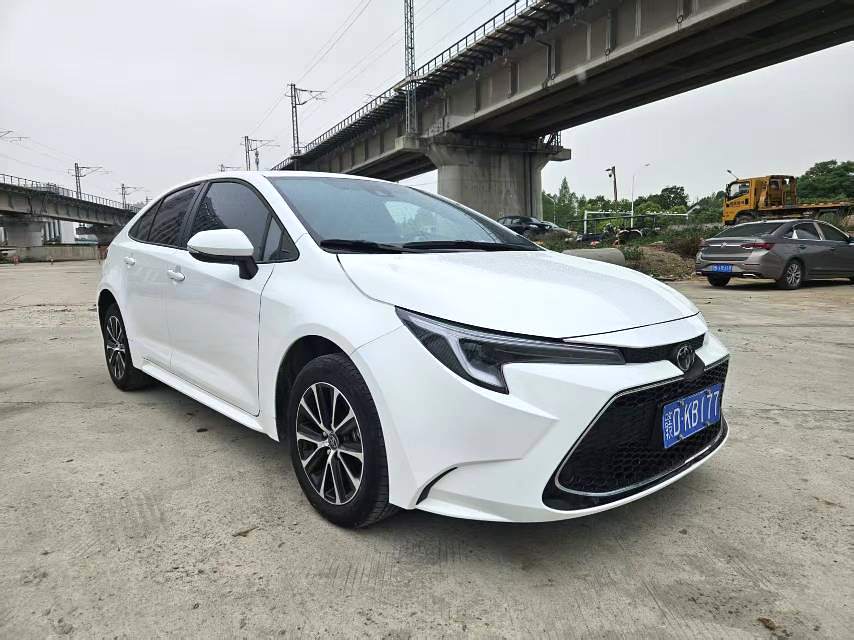
Once you're working with a trusted partner, review available inventory. Ask for complete photo documentation (minimum 40 photos per vehicle, including undercarriage), OBD diagnostic report, hybrid battery health report, odometer verification, and service history records.
Negotiate price based on condition, mileage, specification, and current market rates. A signed purchase agreement with clearly stated payment terms, inspection conditions, and delivery obligations protects both parties.
Step 4: Pre-Export Inspection
Never skip independent pre-export inspection. See the dedicated inspection section below for full detail. This step happens before any payment is completed or shipment is arranged.
Step 5: Payment
Payment for international vehicle exports from China typically follows one of three structures: full upfront payment, deposit + balance on bill of lading (most common), or Letter of Credit for large orders.
Avoid any supplier requesting full cash payment upfront through informal channels.
Step 6: Export Customs and Documentation
Your export partner handles China-side customs clearance. Ensure all documents reflect the accurate transaction value.
Step 7: Freight Booking and Loading
Your partner books cargo space. For RoRo, vehicles are driven onto the vessel. For container shipping, vehicles are loaded into sealed containers.
Step 8: Shipping and Transit Monitoring
Once loaded, you receive a Bill of Lading and tracking reference. Maintain communication with your freight agent for ETA updates.
Step 9: Destination Port Customs Clearance
Your local customs agent files import declarations, pays duties and taxes, and arranges release of the vehicle.
Step 10: Collection and Local Registration
Once cleared, collect the vehicle and handle local registration. For a more detailed breakdown of the end-to-end export chain, visit our Toyota Levin export process guide.
Required Documents and Customs Clearance
Customs clearance requirements vary by destination country, but the following core document set is required for virtually all international vehicle imports from China.
| Document | Purpose | Issued By |
|---|---|---|
| Original Chinese Vehicle Title | Proves ownership and vehicle identity | Chinese Vehicle Registration Authority |
| Export Customs Declaration | Confirms legal export from China | Chinese Customs |
| Bill of Lading | Shipping contract and title transfer document | Shipping Line |
| Commercial Invoice | Declares transaction value for customs assessment | Exporter / Seller |
| Packing List | Details contents of shipment | Exporter / Freight Agent |
| Pre-Export Inspection Certificate | Documents vehicle condition pre-shipment | Inspection Company |
| Insurance Certificate | Covers marine transit risk | Insurance Provider |
| Certificate of Origin | Confirms Chinese manufacture | China Council for Promotion of International Trade |
Shipping Options and Costs
Understanding your shipping options and their relative costs is essential for accurate landed cost calculations. Two primary methods apply to vehicle exports from China.
RoRo (Roll-on Roll-off): Vehicles are driven onto the vessel and secured in the ship's vehicle deck. Generally faster booking lead times, lower cost, and simpler logistics for single units.
Container Shipping: Vehicles are loaded into sealed 20ft or 40ft steel containers. Provides superior physical protection and is preferred for high-value units or rough port handling markets.
Estimated Shipping Costs by Destination (2026)
| Destination | Shipping Method | Estimated Cost (USD) | Transit Time |
|---|---|---|---|
| Dubai, UAE | RoRo | $800 – $1,200 | 18–25 days |
| Jeddah, Saudi Arabia | RoRo | $900 – $1,300 | 20–28 days |
| Manila, Philippines | RoRo / Container | $700 – $1,100 | 7–14 days |
| Jakarta, Indonesia | RoRo / Container | $750 – $1,150 | 10–16 days |
| Mombasa, Kenya | Container | $1,400 – $1,900 | 25–35 days |
| Lagos, Nigeria | Container | $1,500 – $2,100 | 28–40 days |
| Dar es Salaam, Tanzania | Container | $1,350 – $1,800 | 25–35 days |
| Gdansk, Poland | Container | $1,600 – $2,200 | 30–42 days |
| Bremerhaven, Germany | RoRo / Container | $1,500 – $2,000 | 28–38 days |
*Note: Costs are estimates based on 2026 freight market rates for a single sedan unit. Multi-unit container consolidation reduces per-unit cost significantly. Contact Panda Used Cars for current market-specific quotes.*
For detailed guidance on freight options and carrier selection, visit our global shipping logistics page.
Pre-Export Inspection and Quality Assurance
Pre-export inspection is not optional — it is the single most important quality control point in the entire import process.
What a Proper Inspection Covers
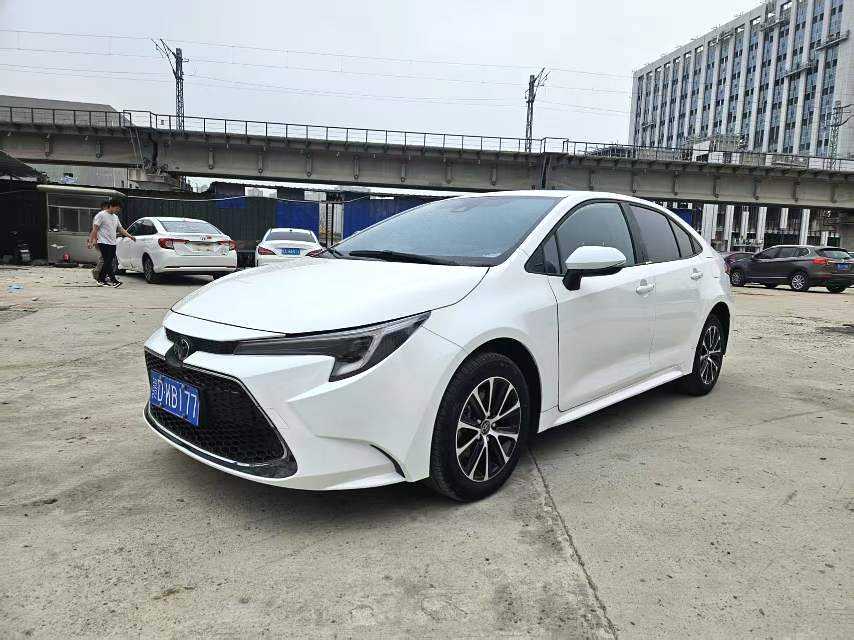
A comprehensive pre-export inspection for a hybrid vehicle like the Toyota Levin should include structural and body assessment, mechanical inspection, hybrid system specific checks, interior and electronics, and documentation verification.
At Panda Used Cars, every vehicle in our Toyota Levin export inventory undergoes this full inspection protocol before being listed for sale.
Learn more about our vehicle sourcing and quality standards on our new Toyota Levin export page.
Common Pitfalls and How to Avoid Them
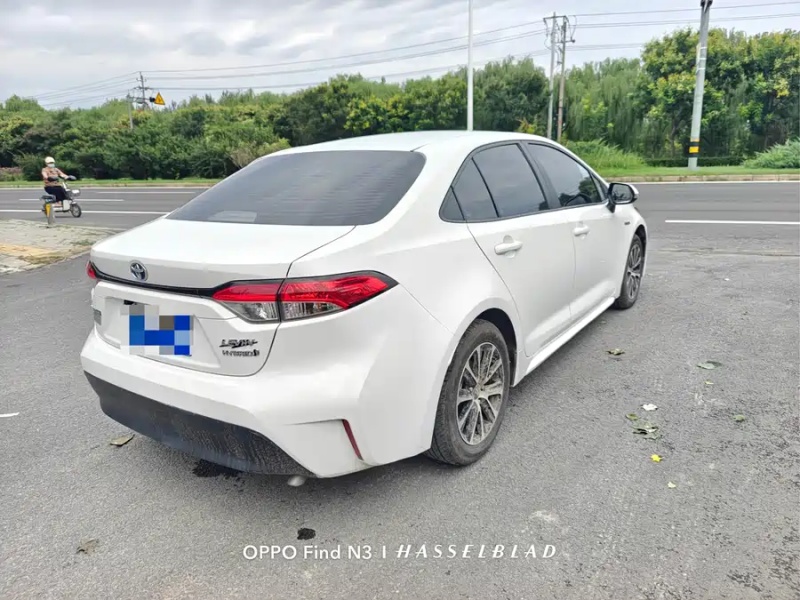
Importing vehicles from China is legitimate and profitable when done correctly. Here are the most common pitfalls and how to avoid them:
Pitfall 1: Paying an Unverified Supplier Without Escrow Protection
Avoid any supplier requesting full cash payment upfront through informal channels.
Pitfall 2: Skipping Independent Inspection
Always commission independent inspection.
Pitfall 3: Underestimating Total Landed Cost
Build a complete landed cost model before committing.
Pitfall 4: Misunderstanding Destination Country Import Regulations
Research your country’s regulations thoroughly before purchasing.
Pitfall 5: Ignoring Marine Insurance
Always purchase marine cargo insurance for the full insured value.
Timeline and Realistic Expectations
One of the most common frustrations in vehicle importing is timeline mismanagement. Here is a realistic, experience-based timeline for importing a Toyota Levin from China.
| Phase | Activity | Typical Duration |
|---|---|---|
| Week 1–2 | Vehicle selection, specification agreement, inspection commissioning | 7–14 days |
| Week 2–3 | Inspection completion, report review, price finalization, contract signing | 3–7 days |
| Week 3 | Deposit payment, export documentation preparation begins | 2–5 days |
| Week 3–4 | Export customs clearance in China | 3–7 days |
| Week 4–5 | Freight booking, vehicle transport to departure port, loading | 5–10 days |
| Weeks 5–11 | Ocean transit (varies by destination) | 7–42 days |
| Week 11–13 | Destination port arrival, customs clearance, duty payment | 3–21 days |
| Week 13–14 | Vehicle collection, local registration | 3–10 days |
Total realistic timeframe: 8–16 weeks from initial inquiry to vehicle in hand.
Frequently Asked Questions
Is it legal to import a used Toyota Levin from China?
Yes, in most countries. However, eligibility depends on your destination country's specific import regulations. Always verify before purchasing.
Does the Toyota warranty transfer internationally?
The original GAC Toyota manufacturer warranty does not transfer. Third-party warranty options are available.
What is the minimum order quantity?
Single-unit imports are entirely feasible, particularly via RoRo shipping.
How do I verify a vehicle's actual mileage and accident history?
Through China's national vehicle database, service records, and professional inspection.
Are there import duty exemptions for hybrid vehicles?
Some countries offer preferential rates. Consult a local customs broker for accurate information.
Final Steps and How Panda Used Cars Can Help
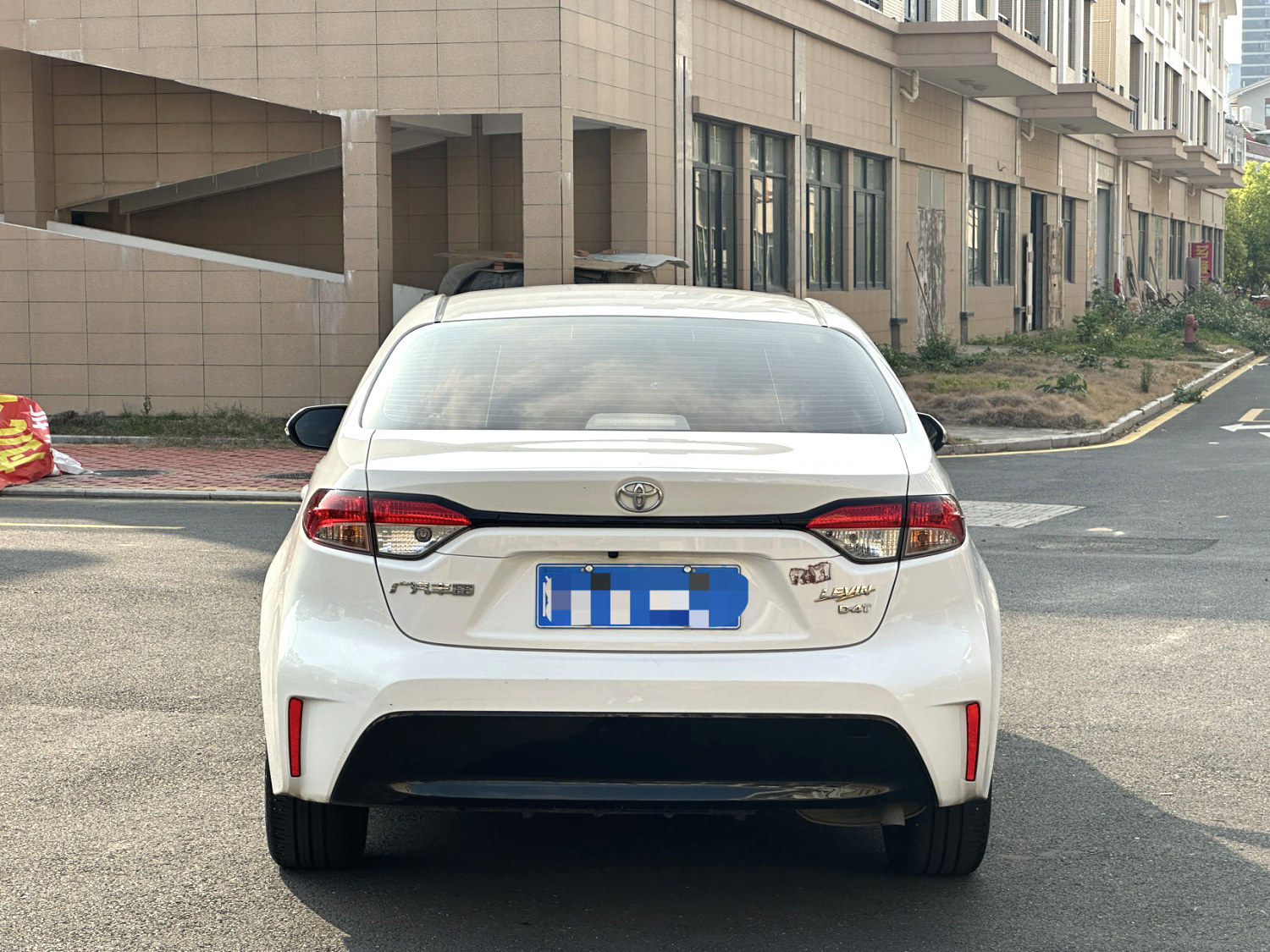
Importing a Toyota Levin from China is a process that rewards preparation. Panda Used Cars has built its reputation on transparent, thorough service.
Take the Next Step Right Now
Browse current inventory, get a personalized quote, or discuss bulk dealer arrangements.
View Current Toyota Levin Stock → Visit Panda Used Cars →Email: [email protected]